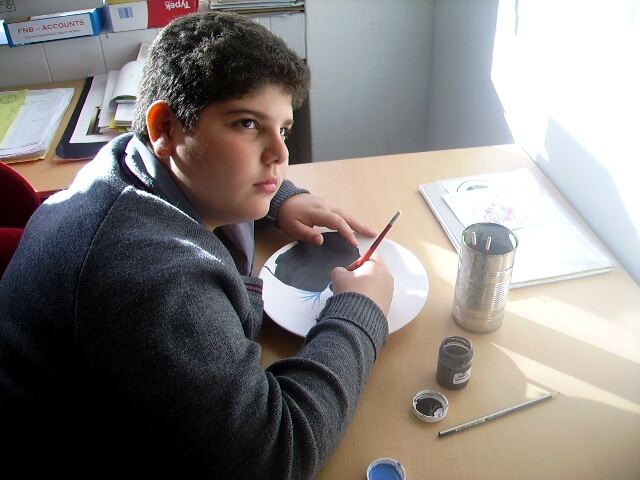
The children's scheme
Art Nucleus
Art is the centre of the child's universe. A children's training scheme, developed by Ernst de Jong at the Academy of Fine Art in Pretoria.

Status
Classes are no longer available. This page is the record of the method. Plans for online study are in preparation, with no dates set.
1. Philosophical premise
The system is based on the premise that art is the centre of the child's universe. Guided by teachers who are masters in drawing, form, line, colour and texture, as well as composition, structure and dynamic spatial relationships, the child is given the opportunity and freedom to work and create visual things in an uninhibited way.
By using these visual facets of art and design, the teachers develop them with the child in a non-figurative and abstract context. This gives the student the courage to discover the beauty and importance of art. The understanding is shaped into paintings with a unique palette, composition and creative, intuitive logic, which becomes an integral part of the student's aesthetic experience. The experience is so strong that it becomes the basis for the development of any idea, concept or message the student may wish to convey. It may also exist in a completely non-figurative way.
2. Basis of civilisation
A civilised society must have:
- Freedom
- Art
- Beauty
- Truth
- Adventure
- Peace
These are the basic tenets of civilisation. Art is the cornerstone of human expression.
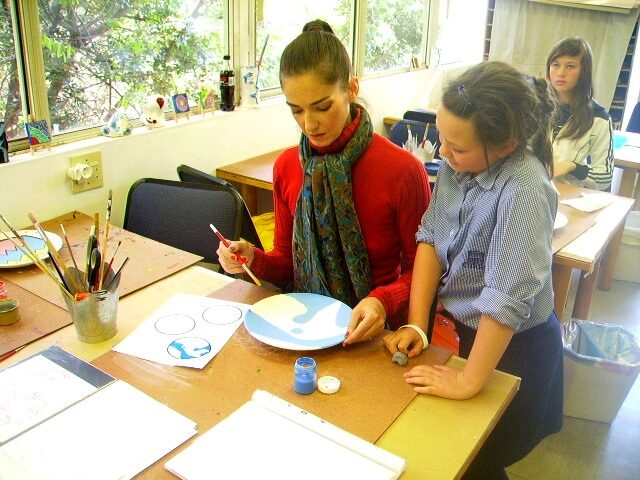
3. Art is central to the development of the child's brain
Through the teaching of non-idea-based art, and attention to the intuitive nature of beauty, the brain is triggered to think creatively and logically. This is a basic need of humanity.
Sequor Pulchritudinum · In search of beauty
The student discovers controlled power, purpose, confidence and personality, and above all their potential and direction. These can develop in any direction, with great self-esteem, towards the fulfilment of a life's ambition.
4. Mission
The mission was to teach art in such a happy and creative way that the doors would open later for any field of endeavour. Among them were:
- Artist or painter
- Creative director
- Designer
- Architect
- Engineer
- Fashion designer
- Film and TV producer
- Photographer
- Set designer
- Illustrator
- Theatre producer
- Sculptor
- Animator
- Object designer
- Ceramist
- Industrial designer
- Textile designer
- Furniture designer
5. How we did it
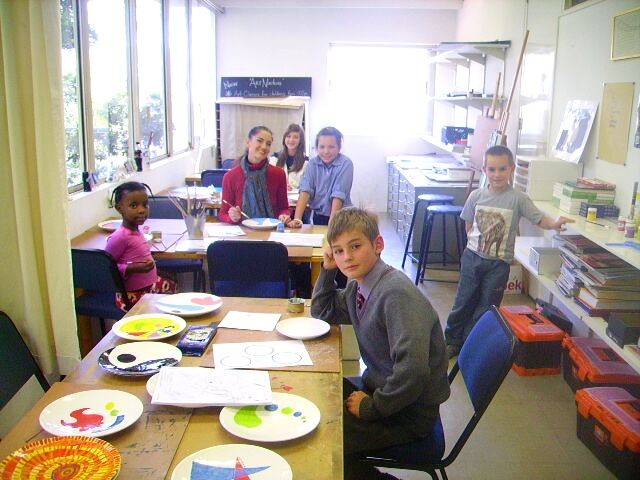
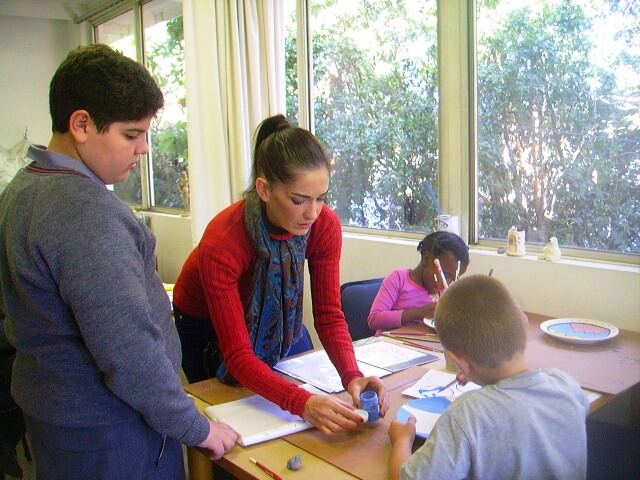
The teachers taught the simple way. They enhanced the student's need to express their personality through aesthetic logic, by allowing students to express themselves freely.
Carefully targeted instruction covered the basic principles of abstract thinking and style. Materials, paint and equipment were used under guidance.
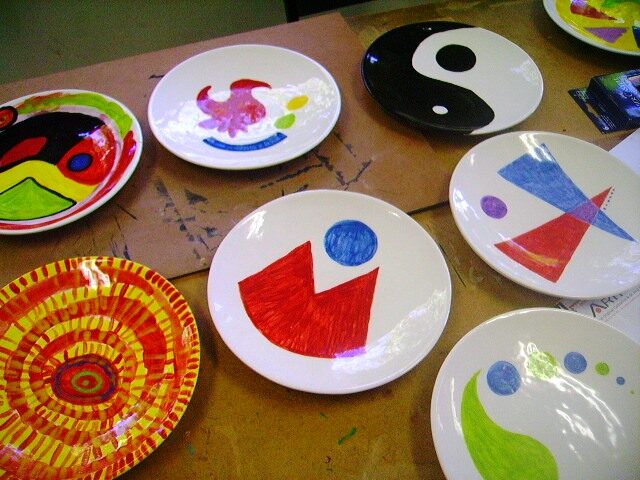
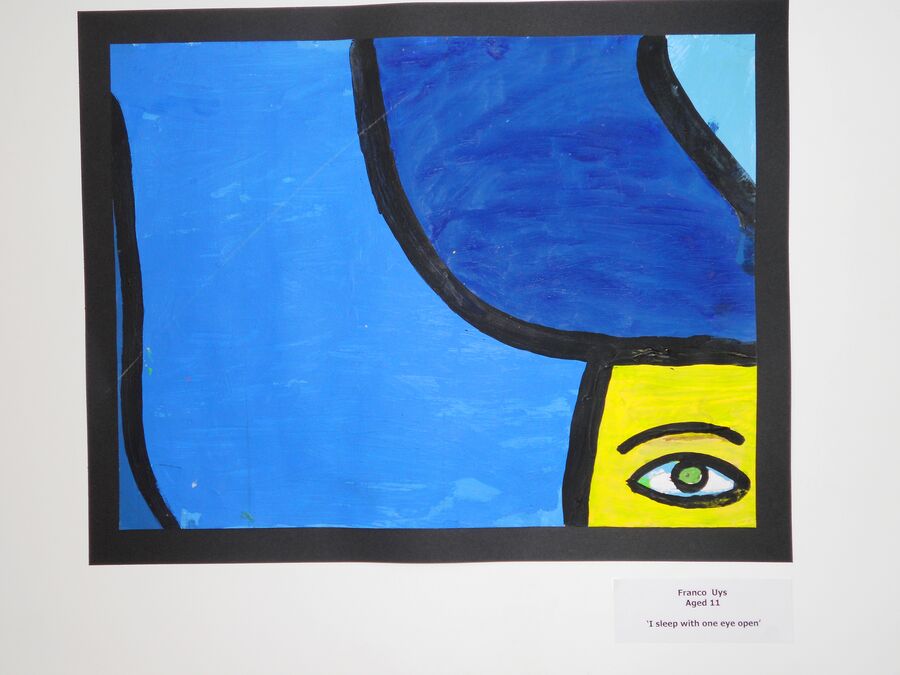
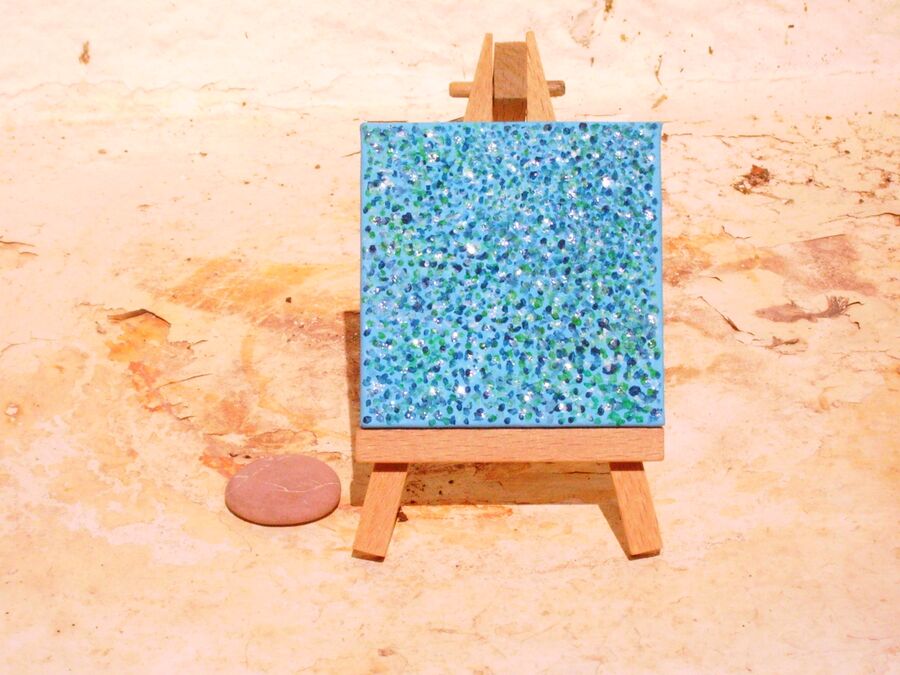
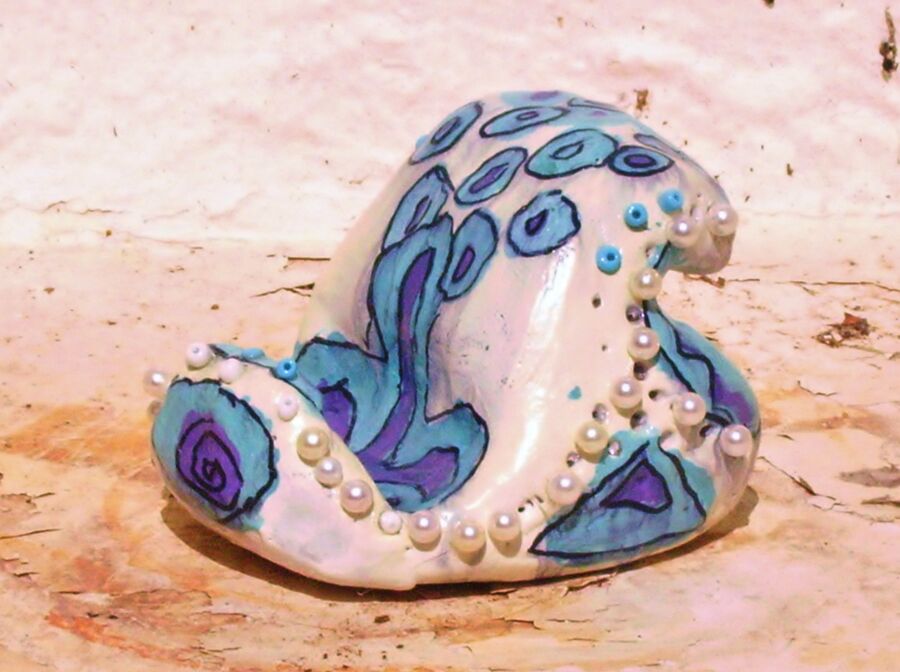
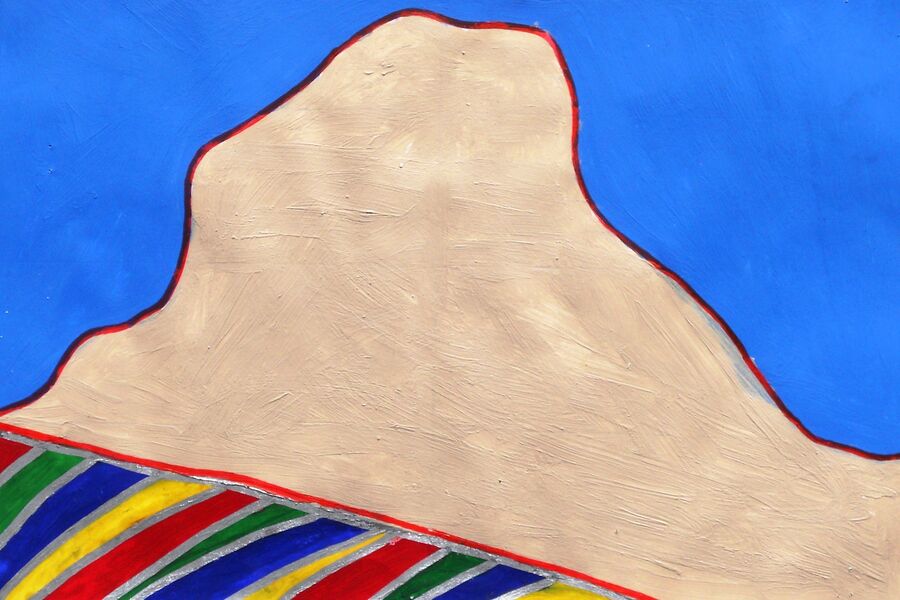
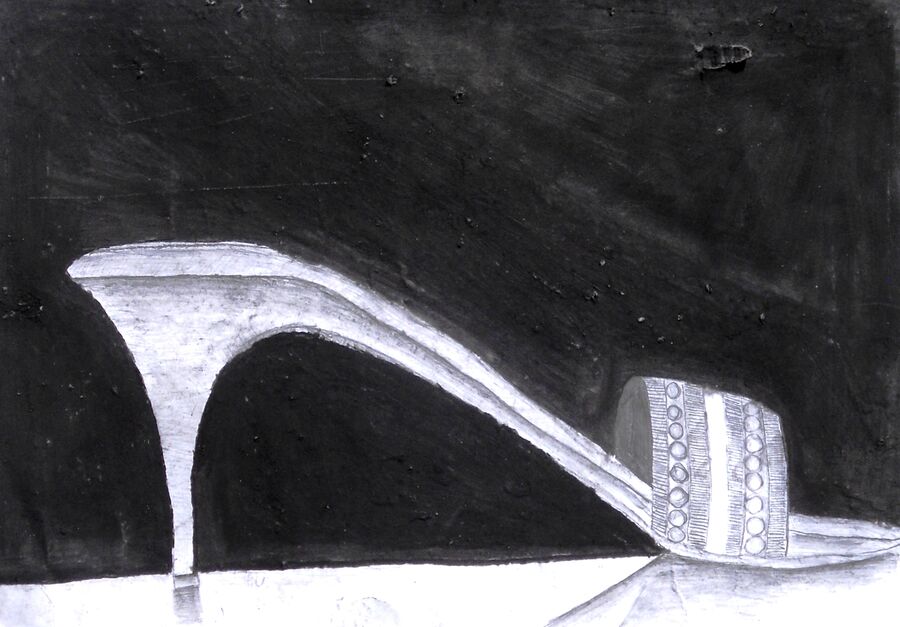
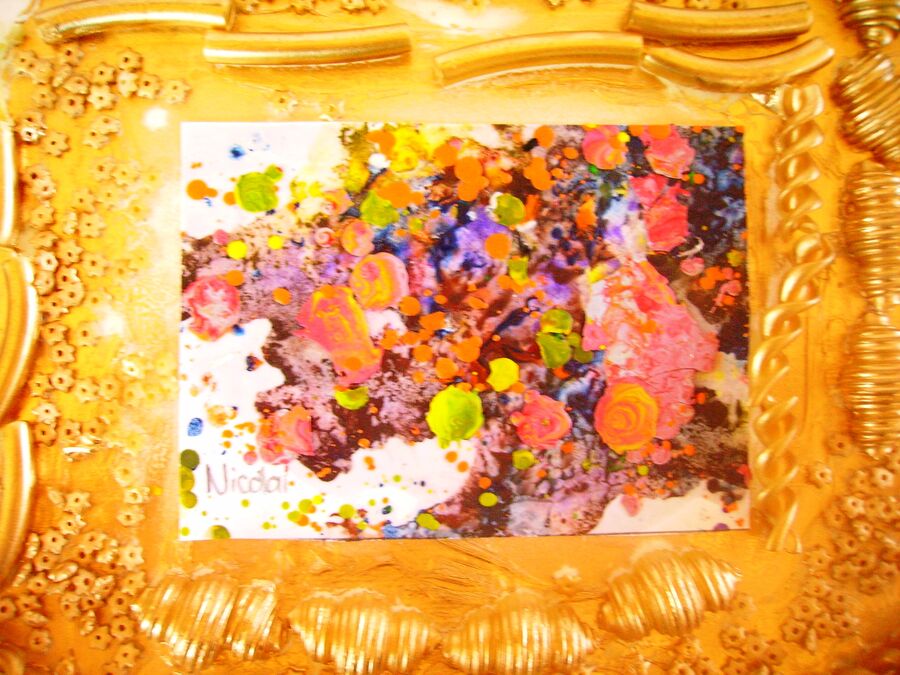
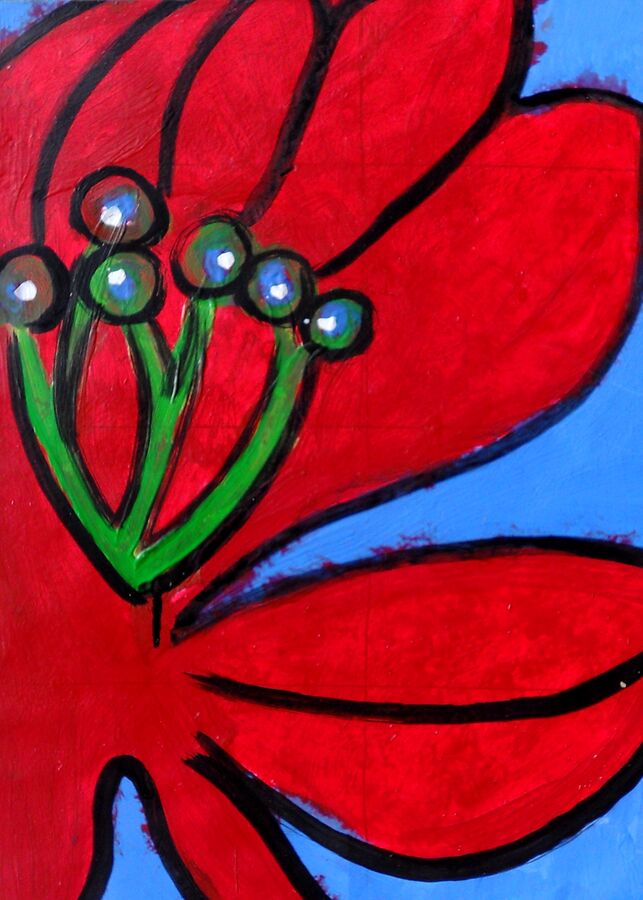
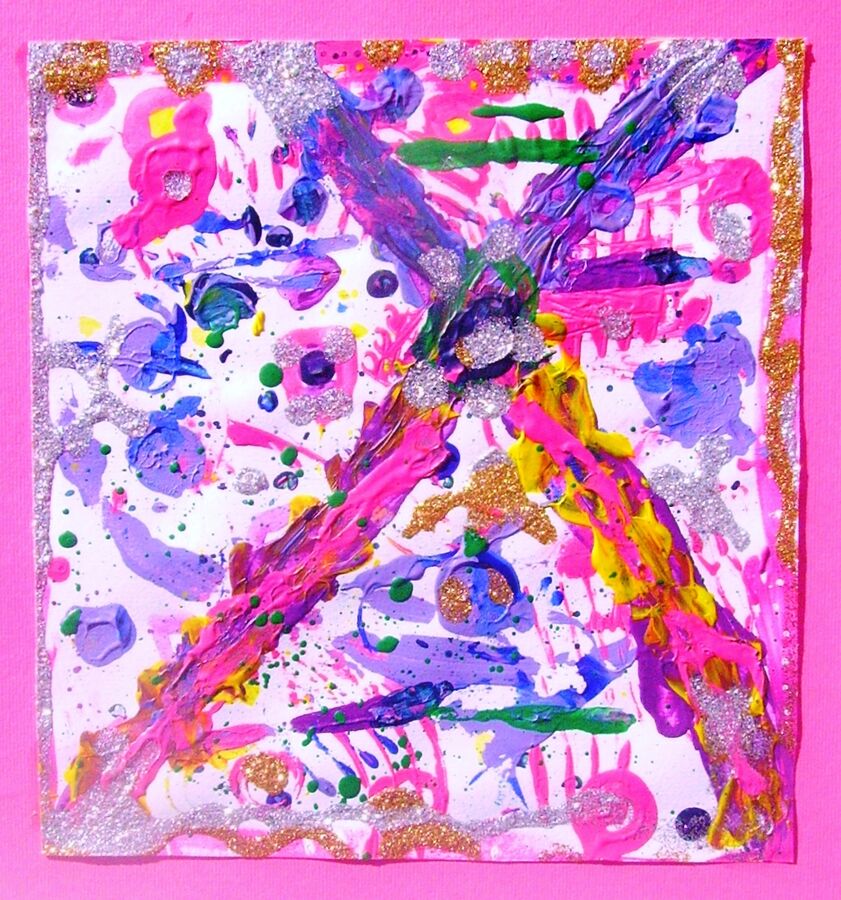
Children’s work
Paintings and objects by the children.




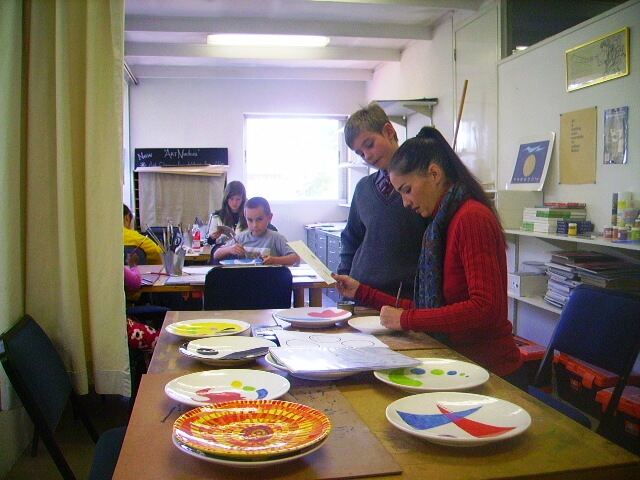
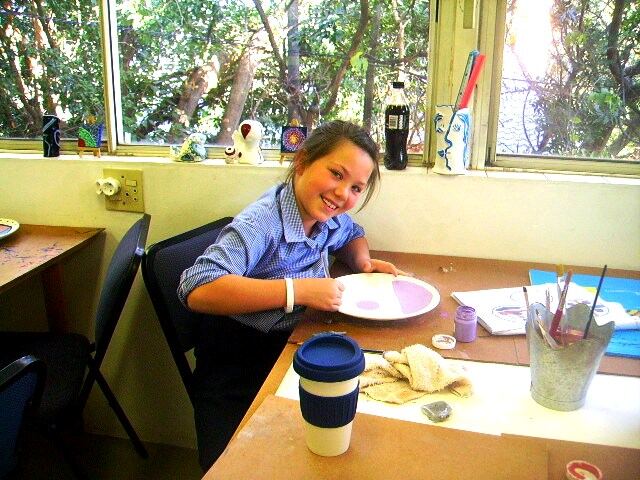
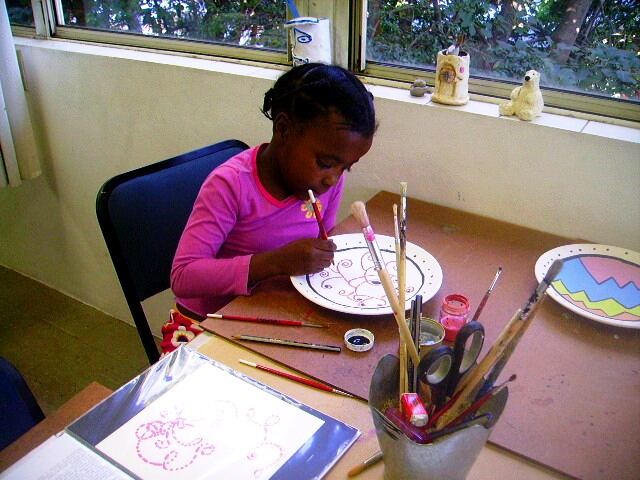
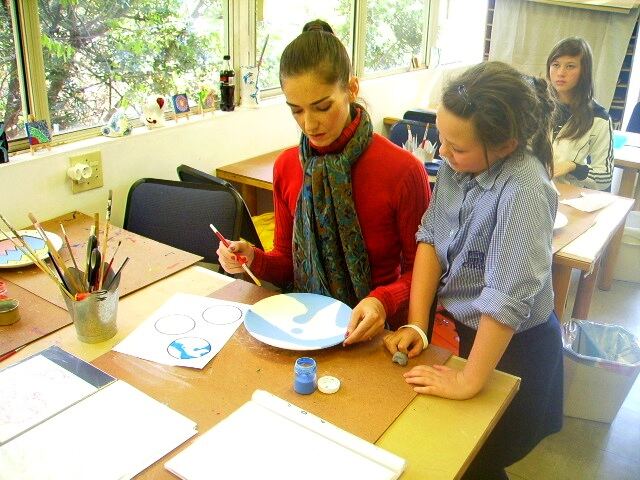
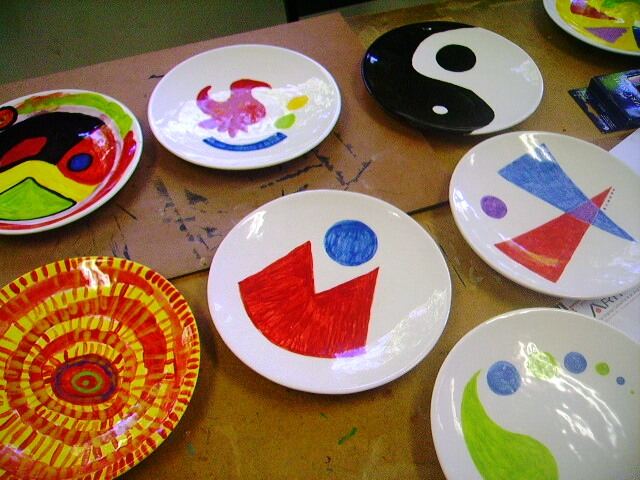
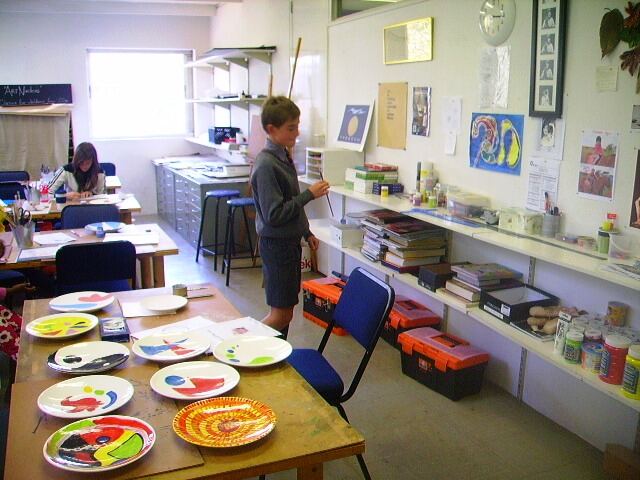
The plate project
Plates painted in the studio.